
Introduction
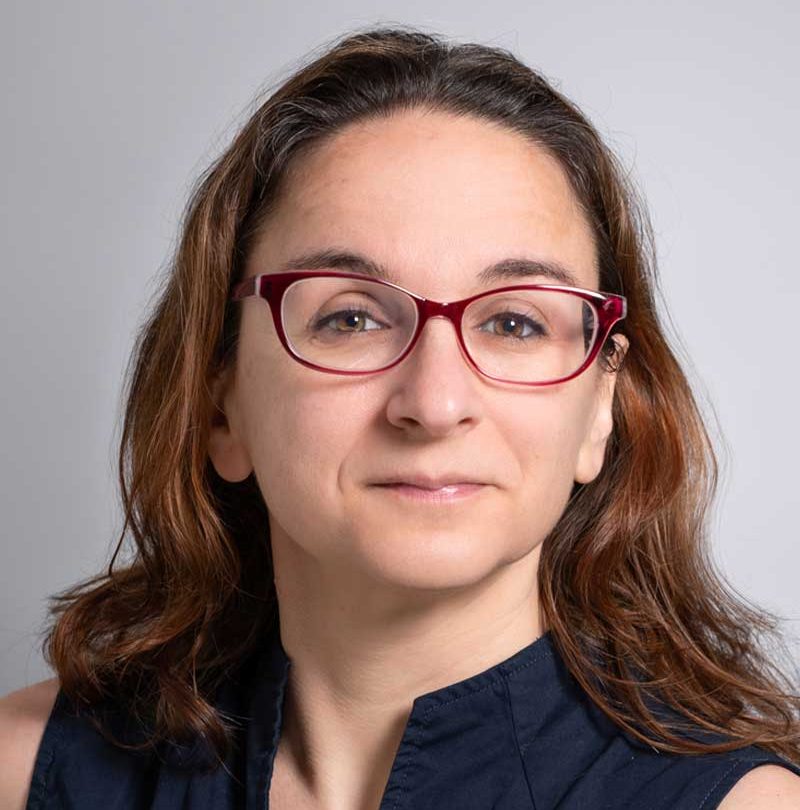
The brain is the most complex part of the body. It contains around 86 billion neurons and generates enough electricity to power a small lightbulb (12 to 15 watts). The brain, computations, and electricity go hand in hand. All of these topics converge to form parts of the field of neuroengineering. Neuroengineering combines neuroscience and engineering to help analyze, replace, repair, and enhance the nervous system. I interviewed Dr. Nuria Vendrell-Llopis, an assistant professor in the department of engineering at the University of Alabama at Birmingham, to inquire more about the field and her experiences.
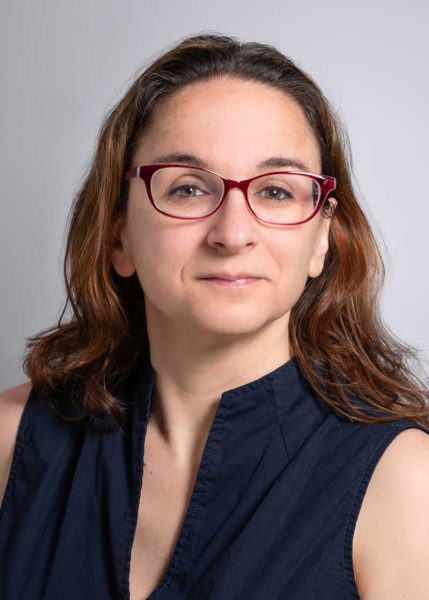
Nuria Vendrell Llopis, Ph.D., M.S.
Neuroprosthetic Learning
Dr. Vendrell-Llopis has always loved to tinker with circuits, even as a kid. She comments “A broken toy was an opportunity for me to fix it and understand how it worked.”. From this curiosity she went on to discover her love for engineering, electrical engineering in particular. At the time she ‘hated’ biology and was more interested in the inner workings of machines. This changed when she went to college. There she learned about all of the complexities of the brain and how computationally powerful it is. This revelation led to Dr. Vendrell-Llopis want to understand more about how the circuit that is the brain works.
The particular interdisciplinary field that Dr. Vendrell-Llopis researches and works on is neuroprosthetic learning. Neuroprosthetic learning measures the activity of neurons and then ‘pairs’ the activity to something physical. She describes it as such: “Imagine the cursor in your screen, and now imagine that if Neuron B is active I move the cursor left, but if Neuron A is active I move the cursor right. Animals learn to do this, they learn to modify the activity of single neurons in the brain. And when they do that, I know which neurons are ‘learning’ (the ones that are being used to “control”) that cursor.”. Dr. Vendrell-Llopis was drawn to this field because she wanted to understand learning(fundamentally). This field of study gives her many means, methods, and opportunities to ask questions on how the brain reorganizes itself while looking at a small selection of neurons instead of the brain as a whole.
Neural prostheses(a subset of neuroprosthetic learning) have both direct and indirect applications to them. People with cognitive or motor dysfunction can use these devices created through neuroprosthetic learning to restore some of their functionality. Researchers can also use this type of learning to ask fundamental questions about learning, discovering how we learn, and understanding how certain diseases can affect the brain’s circuits.
Schooling and Trials
During her schooling, Dr. Vendrell-Llopis comments that there were only 7 girls in her class of 104 people including her, not even 7%. She comments on how at times she felt like she didn’t belong, people would look at her as if she was the odd one out for partaking in what was considered a ‘man’s discipline’. In face of the scrutiny, Dr. Vendrell-Llopis set her mind to proving to everyone that she belonged. This pushed her to work harder and succeed through the trials. She does note that many were not able to push through and come out standing like she did and hopes that by being a professor in this discipline she can show other girls that they have the ability to study whatever they want.
Dr. Vendrell-Llopis has studied and researched in a multitude of countries including Spain, Ireland, Belgium, Germany, and the United States. Each of these different cities and countries had different approaches to teaching, researching, and life in general. The experiences that she has gained traveling have helped Dr. Vendrell-Llopis appreciate what she likes about her home country as well as open her eyes to other ways to live and aspects of life. She says it’s an experience that she wishes everyone could have as it is enlightening in many aspects including your resilience and how you react to trials.
Parting Words
As a parting note Dr. Vendrell-Llopis would like to leave you with the words ‘You belong. Don’t let anyone tell you otherwise.’. Don’t sweat about inconsequential things for bigger things are coming, keep dreaming.

