
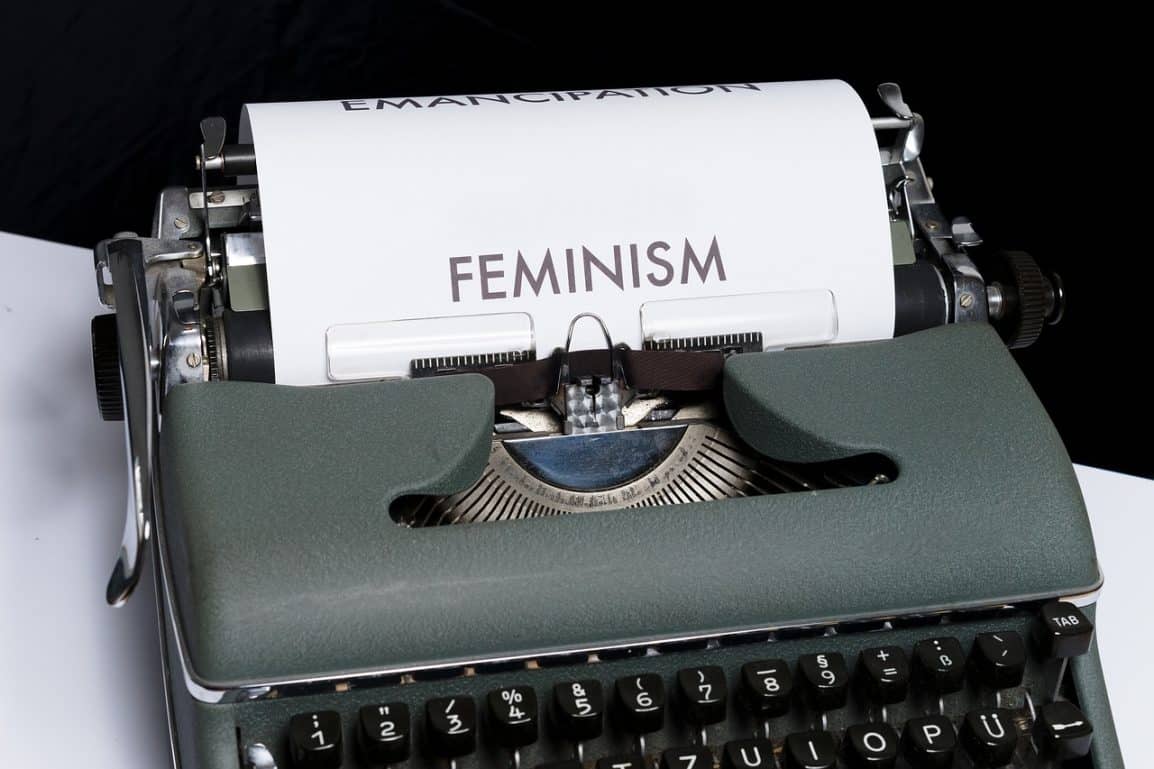
I’ve been hearing a lot of criticism lately for feminist media. Or, more specifically, with feminism media created for people who aren’t already feminists. I know that it’s inevitable for audiences to critique the media we consume. It’s really important to do so. But I think sometimes the Internet gets so caught up in reviewing media, we forget who the media is for. You and I aren’t the target audience of every movie, book, ad, and song that comes out. And we really should be holding space in our critiques for people who aren’t as involved in Internet culture.
When the Barbie movie came out, the media was divided. On one hand, it was an instant pop-culture sensation. With the boost it got from ‘Barbenheimer’ marketing, and the novel idea of everyone’s favorite toy being a movie, it was an inevitable hit. Girls and their moms saw the movie en masse, praising it for its good humor and relatable relationships. Personally, I had a great time — the Barbie release was about more than a movie. We dressed up in pink. We got ‘I’m Just Ken’ merch. I saw it three times! Barbie is a movie that centers young girls, teaching them that they don’t need to be perfect. Women can do amazing things, and they shouldn’t need to worry about beauty standards. Even Barbie is insecure sometimes.
It didn’t take long for the media to turn on Barbie, though. People began to see it as too ‘basic’. It doesn’t really make any bold feminist claims. It isn’t incredibly intersectional, it doesn’t discuss a lot of feminist issues. Barbie’s humor relies largely on men. It was Ken who became a global meme, it was Ken who received the most attention from the film. The movie really does boil down to ‘women can do anything!’.
I’m not saying those criticism aren’t valid or true. I just don’t think we should expect Barbie to be breaking the glass ceiling on feminism. The target audience for the film wasn’t adults who have been feminists for years. Barbie‘s expected audience hasn’t read feminist theory, because they’re still playing with Barbie! We absolutely should expect media to discuss feminism in a more complex way. Still, kids movies shouldn’t cover every issue in the book. We don’t all wake up as babies as experts on feminism. At some point, all women are forced to come to the realization that our gender makes us different. I think we should try and make that realization easier for the next generation.
By making basic feminist movies, we give kids a space to discuss those ideas. You shouldn’t;t need to go from elementary school to advanced intersectional feminism. Content that tells young people directly ‘people are going to treat you differently because of your gender. Ignore it’ is very important.
Growing up, I didn’t have the Barbie movie. Instead, my dad showed me Alway’s ‘Run Like a Girl’ ad. The ad depicts grown people doing actions ‘like a girl’. Flopping around uselessly, essentially. Then, young girls did the same action. They didn’t know what the phrase meant. They took it positively. From there, the ad moves into the idea that girls should always do things ‘like a girl’, because clearly, doing it like a girl is working.
Looking back on it now, I can see why people might think the ad is silly. We’ve had these conversations already, as feminists. It’s nothing new.
But for young girls? All of it is still new. The discrimination women face is still new. They don’t know, yet, about the advancements we’ve made. They just know that when their teachers need help moving heavy things around, they ask the boys. Not the girls. That’s why movements like ‘Run Like a Girl’ and movies like Barbie are important.

