
Finding a fashion piece you genuinely love feels different from buying something just because it caught your attention for five minutes. Maybe you saved for a jacket you kept thinking about or finally found a pair of boots that makes even a basic school outfit feel more like you. Once something becomes a favorite, you probably want more than a few good wears from it.
Knowing how to make your favorite fashion pieces last longer can keep those clothes and accessories in your rotation without making wardrobe care complicated. What you do while wearing, washing, and storing them can make a noticeable difference.
Start With How You Wear Your Favorites
When a particular sweater or pair of jeans becomes your default choice, wearing it several times a week can feel completely reasonable. Constant use creates more friction and exposes the piece to more spills or stretching, though, especially when you wear it through a full school day and whatever comes afterward.
Giving favorites occasional breaks does not mean saving them for special occasions. Try building several outfits that create a similar look so you have alternatives when one piece needs a wash or a day off. Rotating between a few options lets you keep your personal style while putting less wear on any single item.
Check the Label Before Laundry Day
Care labels become much more interesting after you accidentally shrink something you loved. Before putting a favorite item through your normal laundry routine, check whether its fabric requires a particular water temperature or needs to stay out of the dryer.
Following those instructions matters because different materials react differently to washing. A delicate top may need a gentler cycle than the T-shirts you wear to school, while a favorite sweater might hold its shape better when air-dried. Taking a minute to check the label is easier than trying to rescue something after heat or rough washing changes the way it fits.
Wash Clothes Based on What They Need
Not every piece needs to enter the laundry basket immediately after you wear it. Clothing that sits close to your skin or gets sweaty generally needs washing sooner, but jeans and outer layers may still be clean enough for another wear.
When something has only been worn briefly, let it air out before putting it back in your closet. A small mark may call for spot treatment without requiring a complete wash. Making that decision based on the garment’s actual condition reduces unnecessary washing while still keeping your wardrobe fresh enough to wear confidently.
Treat Decorative Pieces Differently
Some of the coolest pieces in a wardrobe stand out because they include details that basic clothing does not have. Embroidery or other embellishments can give an item personality, but those features may react poorly to the same cleaning routine you use for simpler pieces.
The same idea applies to footwear, sine detailed Western boots, for instance, require attention to the materials and decorative stitching that give them their distinctive appearance. Knowing how to care for embroidered cowgirl boots can protect those details when the boots become a regular part of your wardrobe. Before cleaning any decorated fashion piece, consider what makes it different from the basics you own.
Catch Damage While It Is Still Small
While rushing through your morning routine before school, you might notice a loose button and decide the outfit still looks fine without fixing it. Small problems can become much harder to fix after repeated wear, so checking favorite pieces occasionally can save you a bigger repair later.
You do not need advanced sewing skills to handle every minor issue. A basic repair may be manageable at home, while damage involving a complicated seam might deserve attention from someone with more experience. Taking care of a problem early gives the piece a better chance of returning to your closet instead of ending up in a pile of clothes you cannot wear.
Give Everything a Good Place To Rest
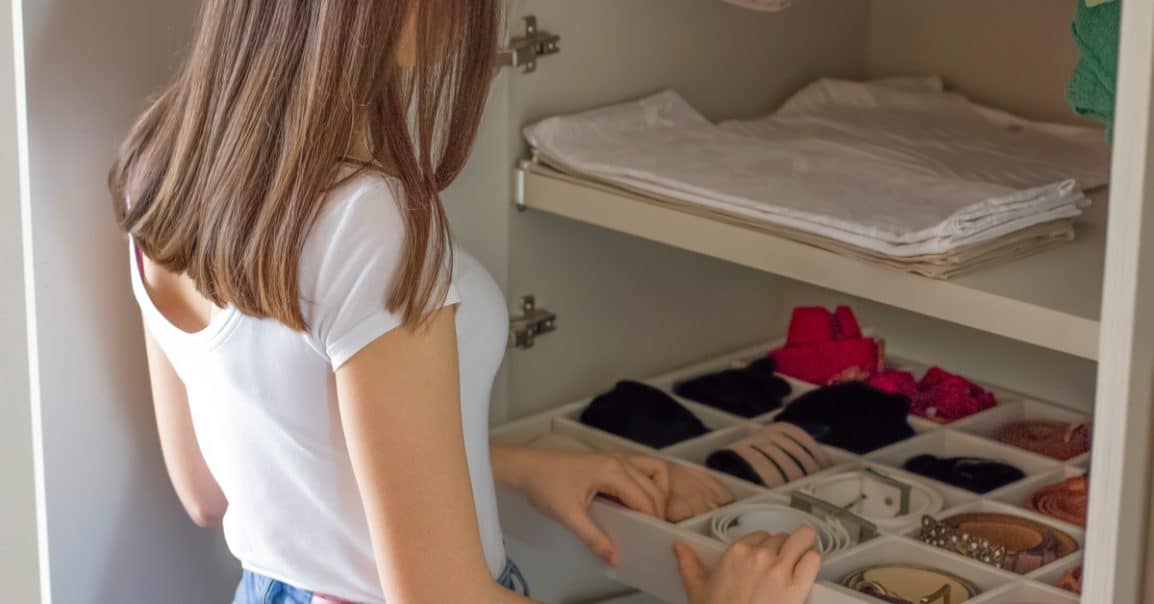
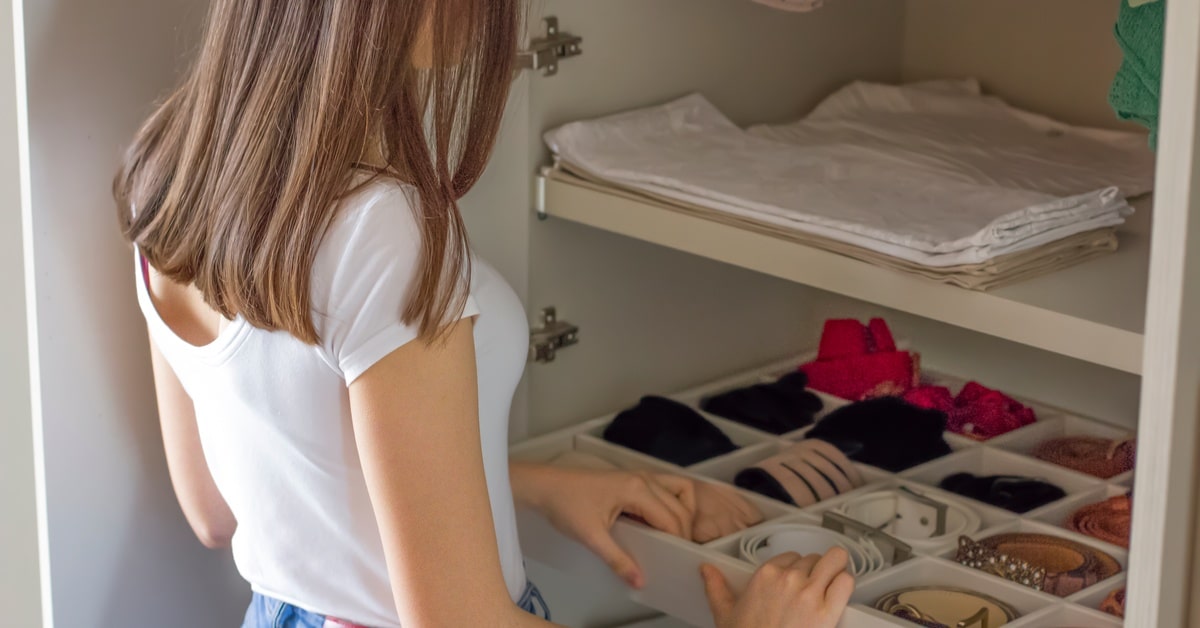
Once clothes come out of the laundry, storage affects what condition they will be in the next time you reach for them. Stuffing an overcrowded closet can wrinkle clothes or make decorative pieces snag against nearby items, while the wrong hanger can gradually change
Heavier sweaters usually do better folded, whereas shirts that wrinkle easily may benefit from hanging. Shoes need enough space to avoid getting crushed under everything else on the closet floor. A little organization protects your clothes while making school-morning outfit decisions less frustrating.
Prepare Seasonal Pieces Before Putting Them Away
Changing weather can push part of your wardrobe out of rotation for months. Before packing away a favorite cold-weather sweater or warm-weather dress, check its condition so you do not rediscover an old stain or loose thread when you want to wear it again.
Clean the piece according to its care instructions and make any minor repairs before storage. Choose a dry location where clothing has enough room to keep its shape. When the season changes again, you can bring those favorites back into your wardrobe without starting with a rescue project.
Let Your Favorites Shape Future Purchases
Taking care of clothes can teach you a surprising amount about what deserves space in your wardrobe. You may notice that certain fabrics work better with your routine or that some high-maintenance pieces barely leave your closet even though you loved them in the store.
Consider whether you can picture yourself wearing the item with clothes you already own and whether its care requirements fit your life. A trendy piece can still be a great purchase, but choosing one you genuinely expect to wear gives it a better chance of becoming a favorite instead of disappearing into the back of your closet.
Keep Your Favorites in the Rotation
Favorite clothes will eventually show some evidence that you actually wear them, but minor wear does not have to send a piece to the back of your closet. Taking care of small problems and giving each item the treatment it needs can keep it wearable through many more school days, weekends, and special occasions.
The point of making your favorite fashion pieces last longer is to give yourself more opportunities to wear the things that make getting dressed enjoyable. Paying attention to cleaning and storage can preserve those favorites without making you afraid to use them. When you know how to care for what you already love, your closet can reflect your style for much longer than a single trend cycle.

