
Your mail arrives. In the pile of bills and offers, you notice an official-looking envelope. Is it jury duty? Is it a fine? Not wanting to waste a single moment more, you open it up and realize it’s time for your mammogram exam.
Chances are slim that you will need a mammogram before age 40, but some experts strongly support that recommendation and believe people as young as 25 should have a breast cancer risk assessment with their obstetrician-gynecologist (OB-GYN) or primary care doctor.
But there’s no need to start stressing out now. Feeling a variety of emotions is actually to be expected. Some women are completely calm. A lot of the time, it’s the uncertainty of the exam that causes the nerves.
If this is your first time, then learning about mammograms could relieve some of your unease. A mammogram is a routine X-ray of the breast that helps detect changes early on. It spots even the smallest of tumors – often before you or your doctor see or feel anything – so this appointment is a must-do.
Most women begin yearly or every-other-year mammograms in their 40s. Your exam schedule will vary based on your personal and family history, though – keep this in mind going forward. If you’re unsure when to start or how often to go, your healthcare provider is there to help you decide what’s right for you.
Here’s what to know so you walk into your appointment feeling confident and prepared.
Preparation Tips
Preparing for a mammogram is easy, if you know what to expect.
There are a few small steps that’ll make the already-simple experience even simpler. First, schedule mammogram for a time when your breasts are least tender. Most women find this to be about a week after their period ends. If your breasts feel sore before your cycle starts, avoid booking during that window.
On the day of your appointment, skip putting products – deodorant, lotion, perfume, and powder – on your chest and underarms. They’ll show up on the X-ray, interfering with the images. Wear a two-piece outfit, too. This simplifies the process, as you’ll only need to remove your top and bra.
Knowing your health history helps, too. Have you had prior mammograms? Any biopsies? Does your family have a history of breast cancer? Share this information with the technologist on the day.
If you’ve been researching things like dense breast symptoms or other changes you’ve noticed, jot these down to mention during your appointment.
During the Appointment
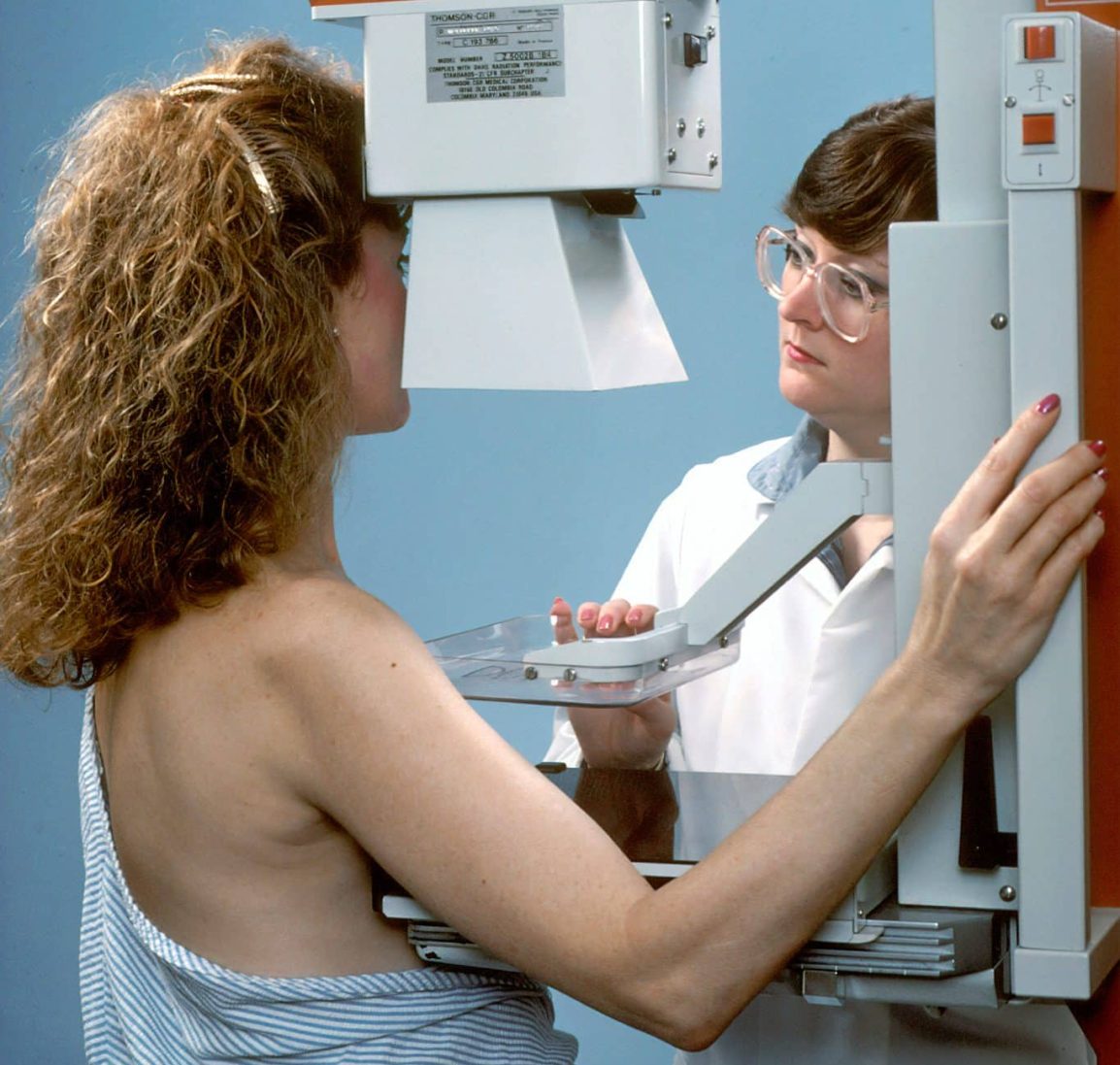
When you arrive, you’ll check in. You might be asked to fill out a short form about your health history. In the exam room, the technologist will guide you through the process. It usually goes similarly to this:
- You’ll stand in front of the mammogram machine.
- One breast will be placed on the flat surface at a time.
- A clear plate will press down to spread out the tissue.
This process allows the machine to take a clear image.
Yes, there will be pressure. It might feel uncomfortable. Thankfully, this usually only lasts a few seconds. Try to relax your shoulders. Take deep and slow breaths. The entire imaging process is over pretty fast, only lasting around 15 to 20 minutes.
But if something feels painful, speak up. Your technologist might adjust your position slightly.
After Your Mammogram
Once your images are taken, you’ll get dressed and go about your day. There’s no needed downtime. You could return to work, run errands, or meet a friend for lunch. Just do whatever you usually would.
Your results will likely be sent within a week or two. In most cases, everything looks normal – and you’ll go back to life as normal. If the radiologist sees something that needs a closer look, you’ll be called back for additional imaging. Try not to worry. This doesn’t automatically mean something is wrong. It might just be a clearer image of the area is needed.
Waiting for the results might stir up anxiety. You’re only human. Try to focus on the bigger picture – getting a mammogram is a proactive step in caring for your health.
To conclude, a mammogram is about peace of mind and early detection. Showing up for your appointment is a powerful act of self-care – and future-you will be thankful that you do so.

