
There have been many movements for women’s rights over the centuries. Whether large or small, those movements helped take steps towards the rights women have today. However, fighting for rights never stopped women from being fashionable and incorporating that fashion into their call for feminism. Different achievements in gaining rights can be seen through the clothing women wore, their makeup, hair, jewelry, etc., creating a beautiful visual history of progress.
1800s-1910s
In the 19th and early 20th centuries, women turned fashion into something practical yet beautiful with bloomers and hat pins. In 1851, a group of women created a skirt called the bloomer costume. This skirt was a knee-caf length skirt with pants underneath and named after Amelia Bloomer, an editor for a women’s rights newspaper named The Lily. These skirts held some popularity for a while but were rejected by formerly enslaved women because it reminded them too much of what they wore on plantations. Instead, former enslaved women opted for longer and more luxurious dresses to wear their freedom and show their change in class.
Nearing the end of the 20th century, women once again made a practical and a show of liberation through using hat pins as weapons. Women would use their hat pins to prevent being attacked, and by 1910, Chicago debated creating a law that would make hat pins longer than nine inches illegal, and those who wore them out would be arrested and fined $50. The law eventually passed and spread to other cities throughout the United States, but it never stopped women from wearing the long hat pins and using them as weapons, even if there were several arrests in the process.
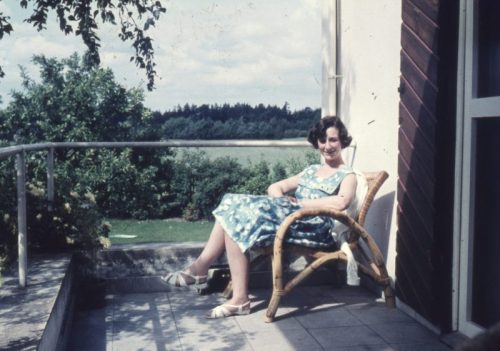 Photo Source
1920s
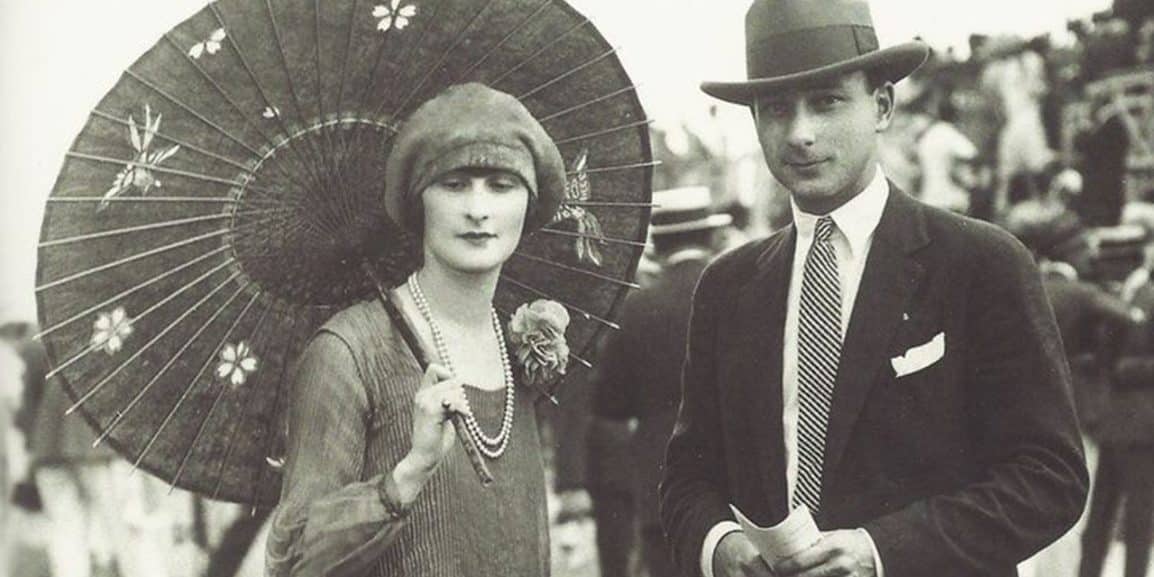
The 1920s were the start of a new movement for women’s fashion when the bra became popularized, the first official bra being made in 1910 by Mary Phelps Jacob. Hemlines became shorter, and waistlines became lower in an effort to create clothes that were less formal with fewer layers. These dresses were focused on comfort and convenience. Another advantage of the dress style was that it was easy to recreate at home, allowing it to be worn by women of all classes as long as they had the materials. This boxy look also promoted women’s sports wear and, in turn, the increased participation of women in sports.
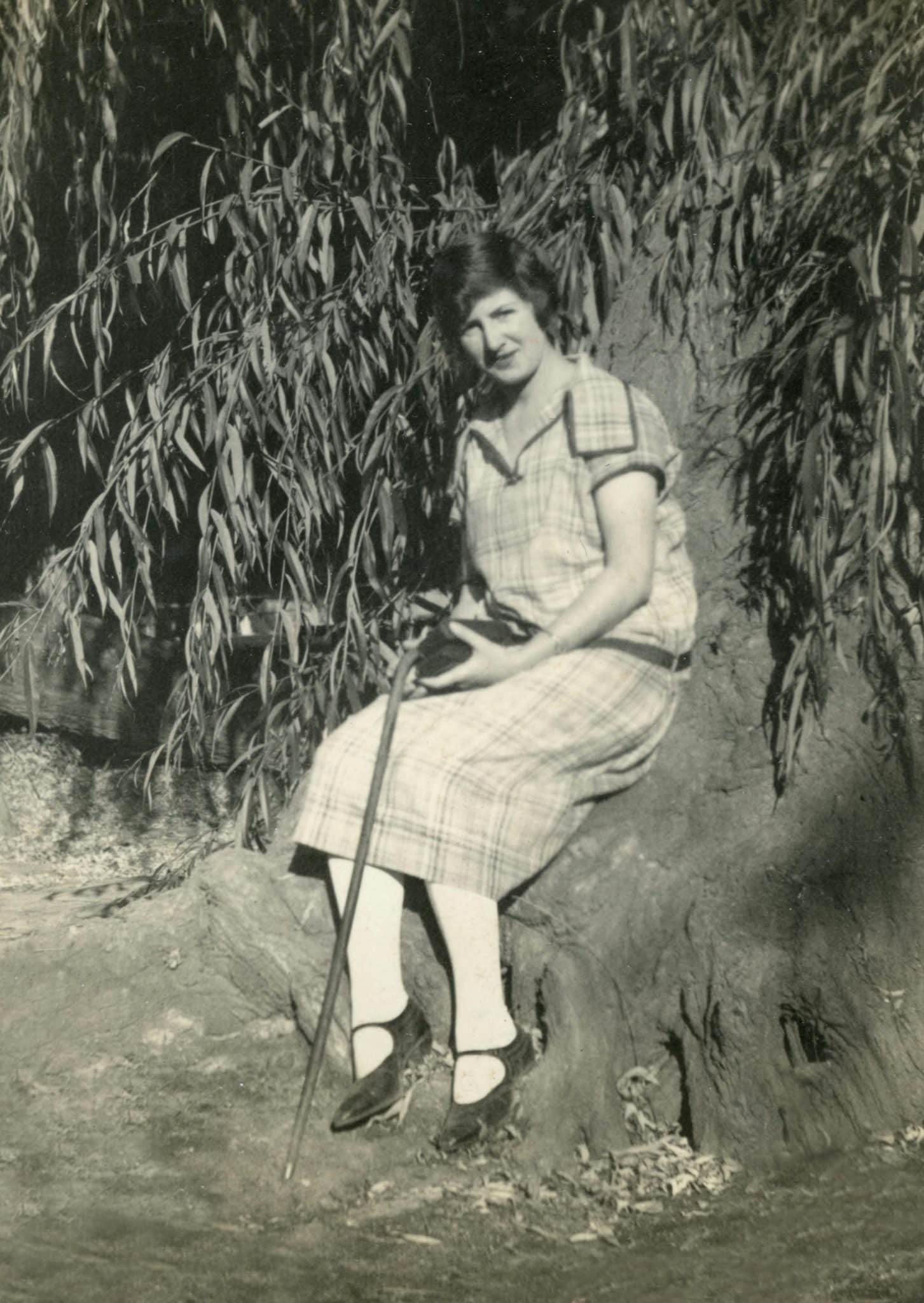 Photo Source
1940s
In the 1940s, fashion was a way of showing patriotism and fighting back against Hitler. Clothing was rationed, so new designs, like Claire McCardell’s wrap dress, and fabrics, such as denim, seersucker, and jersey, were being used in everyday fashion. However, the biggest way women promoted the war through fashion was with makeup. In response to Hitler’s disdain for “made-up women”, makeup companies promoted makeup, especially a bold lip, as a way to fight against fascism. Elizabeth Arden’s lipstick that perfectly matches the red piping on women’s military uniforms became a staple and was even included in official military kits for women.
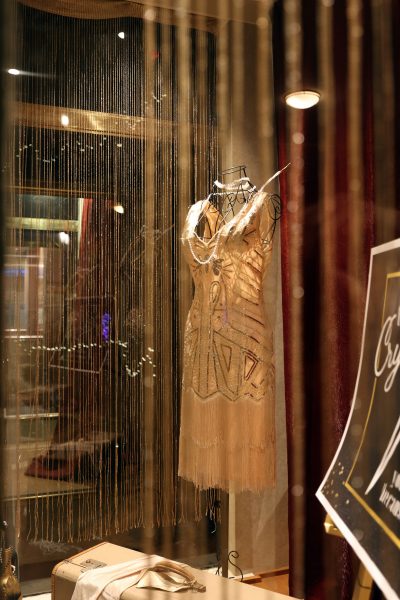 Photo source
1960s
The 1960s were a second wave of the fashion trends in the twenties, shorter hemlines and boxy silhouettes that could be recreated at home. The most iconic dress to come out of this decade, however, was made from a gradual process inspired by young London women. For the first half of the 1960s, Londoners were manually shortening the hemline of their dresses, slowly going up the calf, over the knee, and reaching as short as high thigh. Mary Quant saw this phenomenon and put it into her designs, creating the first commercialized miniskirt. This design promoted the liberation from the strict rules on women in the 1950s and represented the transition into a new era of rights.
1980s
The 1980s saw a shift in fashion when clothes started appealing towards different body types instead of the wearer having to change their bodies to be fashionable. This shone through the jersey athletic wear of the early ’80s. Women were also flooding into the workforce and used fashionable, bold dress suits to cement their place in the office. It was both professional and fashionable and commanded respect.
Present Day
Today, there are several fashion trends coming in from all over the world with some sort of origin in women’s rights and liberation. Vintage girls enjoy the designs of bygone eras without the toxic political environment towards women. Lolita fashion from Japan promotes rococo style frills and the rejection of giving up on child-like fashion. Punk fashion promotes inclusivity and rejection of bigotry through safety pins, both a fashion statement and a sign to others that those who are wearing them are safe. Thrift flippers are beacons of recycled fabrics and original designs. Athleisure sports both fashion and function as a loved style among athletes and busy moms. Every style is beautiful in its own way, and showing the dimensions of women and how we are all different but bound through fashion.
Fashion changes with time, so every article of clothing is a preserved moment in history. Looking back on what was worn and how it changed can help us understand how we as a society changed and why that change was so important. Fashion involves being open to change, but don’t forget how our clothes used to look. After all, history is all about understanding the past so we can go towards the future.
______________________________________________________________________________________
Sources cited:

