With the upcoming midterm elections, everyone’s mind is on what they think could benefit them and their communities. What about you? Have you ever been playing at a park and thought, “This playground needs a better slide,” or wondered why your neighborhood doesn’t have speed bumps when you and your friends play outside all the time? You may think you have to wait until you’re 18 to do something about it, but you actually don’t!
Even though kids can’t vote in an election just yet, you are still an important part of the community. Politics isn’t just for serious adults in suits; it’s for people who want to work together to solve problems in their communities. If you have an issue that you are passionate about and want to fight for, here’s the ultimate guide for getting active in your community and prepping for the day you can step up to the voting booth!
Speak Up
Change doesn’t always happen at the government level, it can happen right on your own street or at your school. If you notice an issue or something needs fixing, talk to your family, friends, or teachers. If your school or neighborhood has lots of litter around, you can organize a cleanup day with your friends.
Did you know that the city councils and boards hold public meetings? Anyone is allowed–even kids! You can sit in the audience and see how decisions are made. A lot of meetings even have a public comment period where anyone can speak up about issues. If you live in Birmingham, there are meetings held every Tuesday at the Birmingham City Hall. Click here for a list of all the meetings happening in Alabama.
If there is an issue you deeply care about, write a letter or email to your local mayor or city council member. Maybe it could be about wanting a new crosswalk near your school, or a new library in your community. Adults in charge love hearing ideas from young citizens!
The Power of Voting
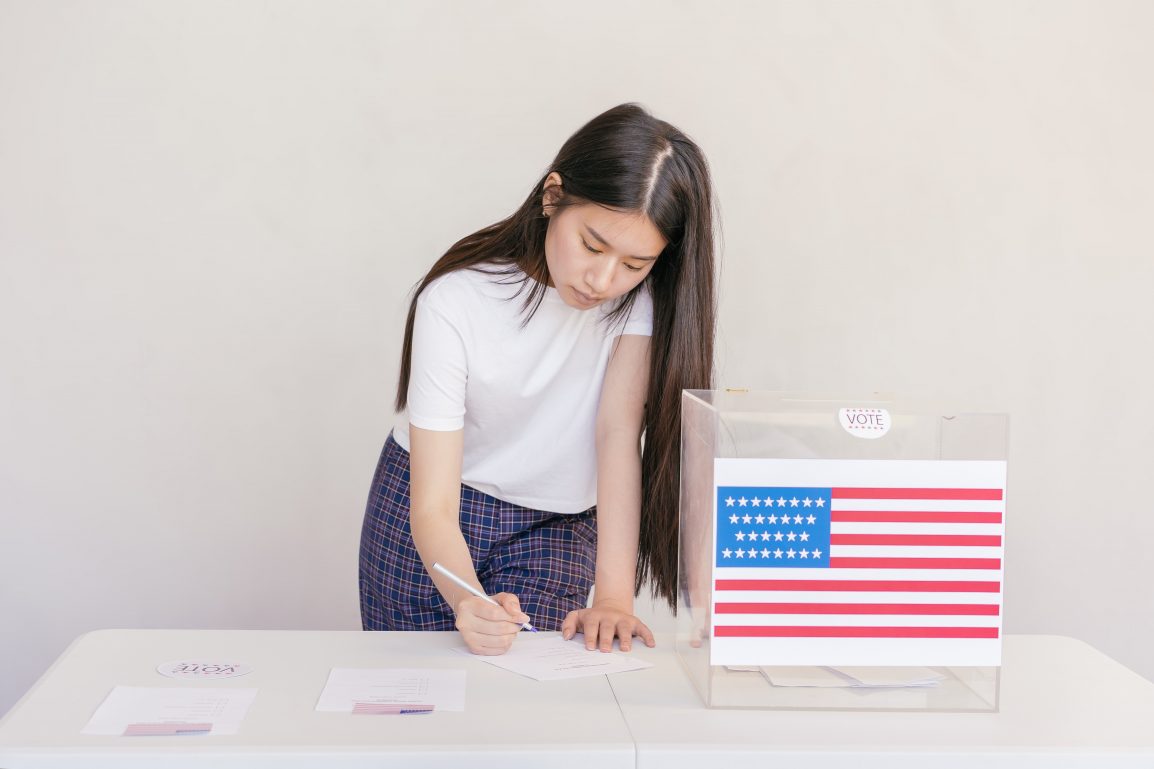
Voting in an election is how we choose the leaders who make the rules and how we vote on important community issues. When citizens vote, they are saying, “I care about what happens here in my community, and I want a say in the future.” Every vote matters because elections can sometimes be decided by just a few votes. Once you turn 18, voting will be your superpower!
Registering to Vote
Before you can vote, you have to register. Registration is kind of like getting your name on the official guest list for a cool party. Once you are registered, you are officially ready to vote!
As you probably know, in the U.S., you have to be at least 18 years old on or before Election Day to vote. The cool thing is, in many states like Alabama, teenagers can preregister to vote when they turn 16 or 17! This means that your information goes into the system early, and once you turn 18, you are automatically ready to vote. If you are ready to register, click here. You can also register by mail or go in person to your local DMV or public library. It’s pretty easy; all you need is your full name, address, date of birth, and a driver’s license number or Social Security number.
Start Practicing
You don’t have to wait until you’re 18 to start practicing your civic duties. You can stay informed by watching the news on TV, reading articles online, or even following credible social media news accounts. You can also discuss community issues with your friends at school or at the dinner table with your family. If your school is having a mock election, participate and see what it’s like to research candidates and cast a ballot.
Don’t forget–your voice is powerful and your ideas matter. Your community needs you. How will you make a difference in your community today?