
Animation is a difficult art form to perfect. The goal is to make the drawings come to life, to create something magical. It takes hours just to get less than a minute of animation. However, when it all comes together, it is definitely worth the work. That being said, who can we thank for bringing us animation? More specifically, who are some of the women who have made a name for themselves in this extremely difficult art?
Helena Smith Dayton
Helena Smith Dayton was a part of animation at the very beginning of film. She was originally a reporter for The Hartford Courant when she decided to take up clay sculpture work. She quickly became well known among sculptors due to her cartoonish and innovative pieces. After a few years in this field, she started to play with the idea of making a film with her sculptures. She worked for about a year and published a film in 1915 titled Romeo and Juliet–In Clay!. This was the birth of stop motion animation, more specifically, the clay version known as claymation. She called her technique “stop action” and was planning to create even more films this way until the suffrage movement and WWI turned her life around. Unfortunately, the original copy of the film is lost to time. However, stop motion is a prominent style of animation to this day.
Lotte Reiniger
Lotte Reiniger was a German director in the 1920s. She created around 60 films in her lifetime, most of which have survived and can be watched today. Lotte pioneered a rare type of animation called silhouette films. These animated films aren’t made of drawn animation. Instead made through cut out of black sheets of paper against colorful backdrops oftentimes lit up. The silhouette created by the black paper is separated into sections such as arms, legs, head, etc and each is moved frame by frame to convey movement. This technique is later used in puppet animation. This technique is popular among animated tv shows such as Bob’s Burgers, The Lion Guard, Hilda, and much more. Her later films included color and details in her silhouettes while retaining the same movement. She moved to Italy during WWII with her husband, who was also a filmmaker, and later created films in Britain.
Sylvia Moberly Holland
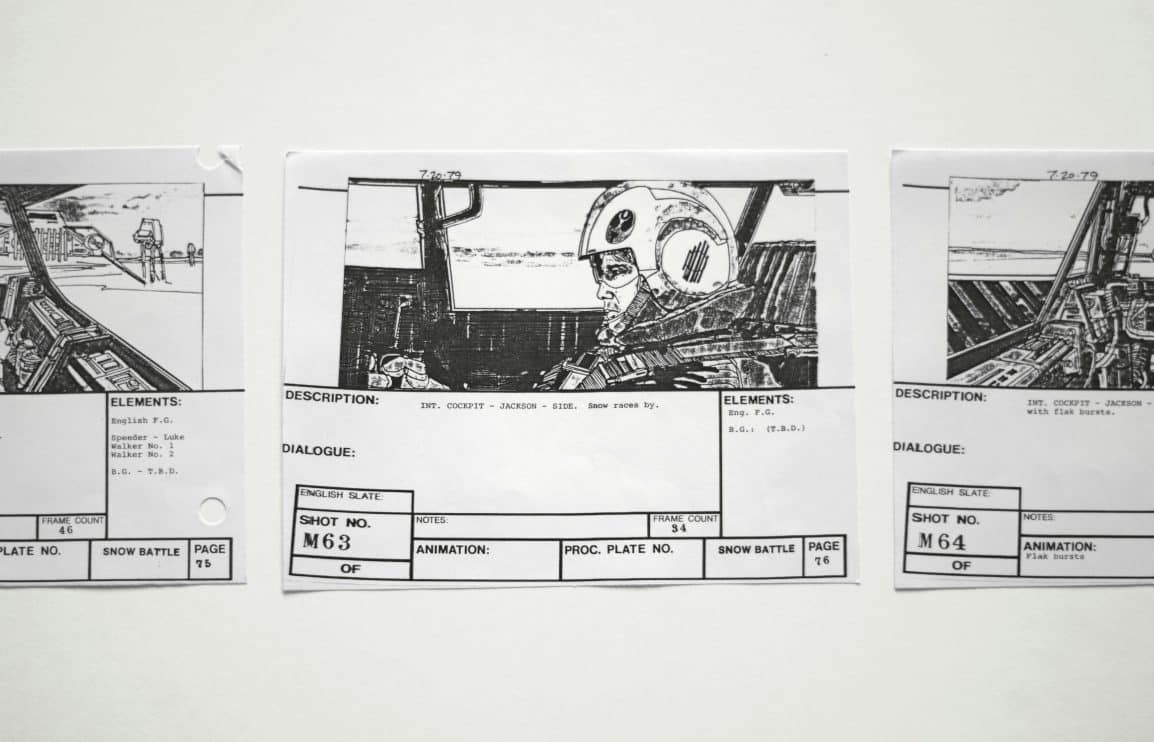
Sylvia Moberly Holland was one of the first women hired by Disney’s story department and the first female story lead at Disney. Originally working at Universal, she became captivated by Snow White, the first feature-length animated movie, and became determined to work at Disney. Sylvia was put in charge of some of the sequences in Fantasia, such as the Waltz of the Flowers. This included creating backgrounds, character design, and storyboarding. Many of her male coworkers saw a problem with her being the story lead and harassed those working under her to leave her sequences of Fantasia. The project eventually got finished, but after the release of Fantasia, Walt addressed the company. He made it clear that he prioritized talent over gender. However, Sylvia, like many Disney artists, was laid off after WWII. While she never returned to animation, she did carve a place for women in companies like Disney.
Brenda Banks
Brenda Banks was a staple animator during the late twentieth century and the first black female animator to work for Disney. While Brenda was very shy and humble about her work; however, the work spoke for itself. She was known by many prominent animators across several different companies. She was oftentimes a mentor to younger animators and was able to work fast, picking up on new techniques just as quickly. Her portfolio was expansive, including but not limited to Wizards, 1978’s Lord of the Rings, The Hoober-Bloob Highway, King of the Hill, The Smurfs, Scooby-Doo, Bugs Bunny, Charlie Brown, and the Simmons. She is quoted by one of her peers as not wanting the glory of being a first in the industry, but instead creating an environment where multiple voices can be heard. She was a sunshine girl of the animation world and left well respected by peers.
Dana Terrace
Dana Terrace is a modern day animator and creator of The Owl House and Knights of Guinevere. Originally working at Disney under Alex Hirsch, a huge name in the modern animation world, Dana was a storyboard artist and animator for Gravity Falls. After the show’s wrap, she began working on her own show that was greenlit by Disney, named The Owl House. This show told a compelling story about a girl named Luz learning how to use magic. However, during the production of The Owl House, Dana fought an uphill battle with Disney to keep the show running with no alterations to the representation among the characters. The show was canceled as a consequence, causing Dana to leave Disney. Eventually, she partner with an upcoming company, Glitch, who have given her very few restrictions on her new show, now in production, Knights of Guinevere.
Animation in recent years is becoming less of an underappreciated art form. Finally it is making its way forward in recognition. That being said, taking a moment to appreciate all of those who have supported and innovated animation since its creation is important. Because no matter your preferred animation style or company, there was someone in the studio sketching out the blueprints.
______________________________________________________________________________________
Sources cited:
Brenda Banks, One Of The First Black Women Animators In America, Dies At 72

