
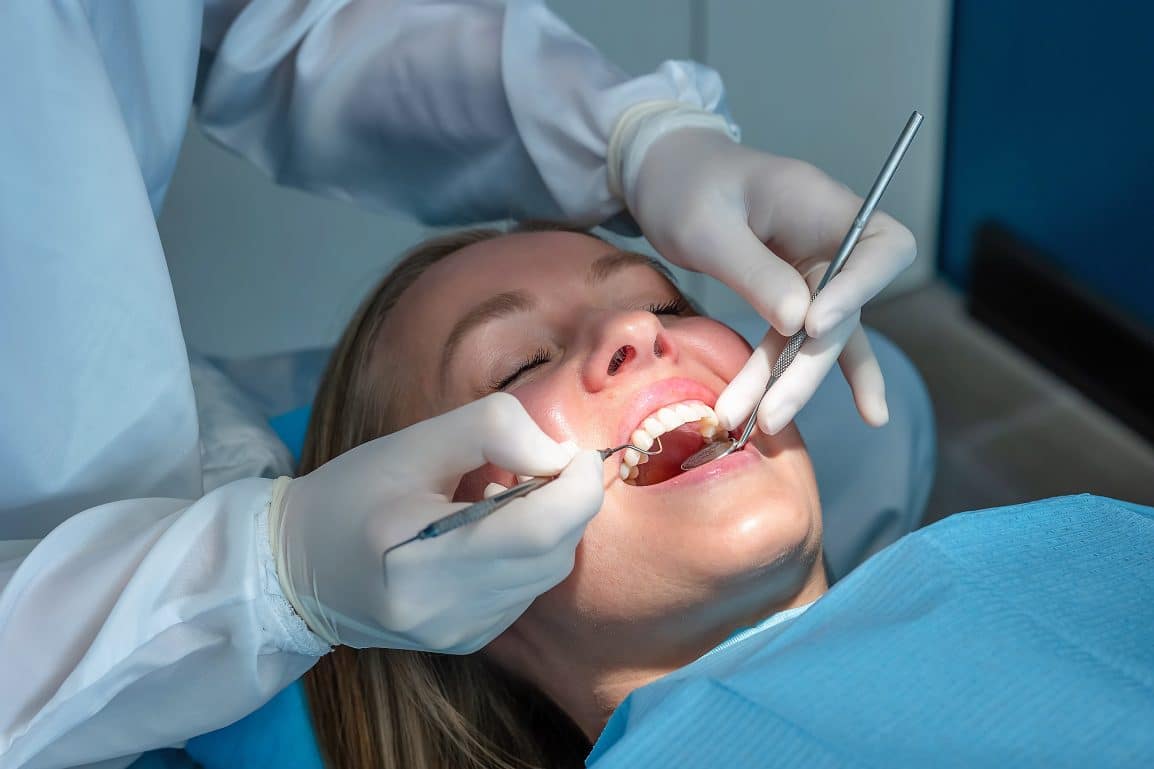
A routine dental examination often sounds simple, yet many people still feel unsure about what actually happens during the visit. Some imagine pain, while others think it is only about cleaning teeth. In reality, the appointment is a careful health check that looks beyond the surface of the smile. Dentists now use clearer methods, better lighting, and tools that help spot problems earlier than before. Understanding each step makes the visit easier and removes much of the worry that surrounds it.
Before the Appointment: Preparing for the Visit
Preparation is usually straightforward. Most clinics recommend brushing and flossing before arriving. This is not done to “impress” the dentist. It simply allows the dentist and hygienist to see the teeth and gums clearly. Food debris can hide areas that need attention.
New patients often complete a health form. The form asks about medical history, medications, allergies, and past dental treatment. These questions matter. Certain heart conditions, diabetes, and even pregnancy can affect dental care. Some medicines cause dry mouth, which raises the risk of tooth decay. Because of that, dentists need a full picture of overall health.
Appointments also include a short discussion. The dentist or assistant may ask a few direct questions:
- Has there been tooth sensitivity?
- Do the gums bleed while brushing?
- Is there jaw pain or frequent headaches?
- Are teeth grinding or clenching noticeable at night?
These questions guide the exam. A complaint about cold sensitivity, for example, tells the dentist to check for enamel wear or early cavities. Jaw pain may point to bite problems rather than tooth decay. For anyone who has delayed care for a long time, setting up a visit with a dentist in Idaho Falls or nearby can be a practical first step, since clinic staff usually explain the process clearly and help patients feel prepared before they even sit in the chair.
The First Step: Review and Visual Check
Once seated in the dental chair, the first part is a visual inspection. A bright overhead light and a small dental mirror allow the dentist to view areas not easily seen at home. This step is quiet and quick, but it reveals a great deal.
The dentist looks for several things at once:
- Signs of cavities
- Gum swelling or redness
- Cracked or worn teeth
- Plaque buildup near the gumline
- Changes in the tongue, cheeks, and throat
The exam does not focus only on teeth. Soft tissues matter too. Dentists check the tongue, inside of the cheeks, lips, and the roof of the mouth. This screening helps detect infections, irritation, and sometimes early warning signs of oral cancer.
Many patients are surprised by this part. A dental visit is actually a full oral health screening, not just a tooth inspection. A small sore that has lasted more than two weeks, for instance, may need attention even if it does not hurt.
Dental X-Rays: Why They Are Taken
After the visual check, dental X-rays may be taken. Some patients feel nervous about them, but modern dental X-rays use very low radiation levels. Protective aprons and digital imaging further reduce exposure.
X-rays show what cannot be seen above the gums. A tooth can look healthy outside while decay forms underneath. Between two teeth, cavities often grow quietly. Without imaging, they remain hidden until pain begins.
Dentists use X-rays to detect:
- Cavities between teeth
- Bone loss around roots
- Impacted teeth
- Abscesses or infections
- Development in children’s teeth
Frequency depends on age and risk level. A patient with frequent decay may need them yearly. Someone with a strong dental history might need them less often. The purpose is prevention, not routine for its own sake.
Gum Health Examination
Next comes a close look at the gums. Healthy gums hold teeth firmly and protect the bone underneath. Problems often begin here, not in the tooth itself.
The dentist or hygienist gently uses a small measuring tool called a periodontal probe. It checks the space between the tooth and gum. The process is not painful, though it can feel slightly uncomfortable if gums are inflamed.
Measurements tell an important story:
- Shallow spaces usually mean healthy gums
- Deeper spaces may indicate gum disease
Gum disease often develops quietly. Many people notice bleeding during brushing and ignore it. However, bleeding gums are not normal. They are usually the first sign of gingivitis.
If untreated, gingivitis may progress to periodontitis. At that stage, the bone supporting teeth begins to shrink. Teeth may loosen even without cavities. For this reason, dentists treat gum health as seriously as tooth decay.
Professional Cleaning: More Than Polishing
The cleaning portion is often the longest part of the visit. A dental hygienist usually performs it. The goal is to remove plaque and tartar that daily brushing cannot fully reach.
Plaque is a soft film of bacteria. If left undisturbed, it hardens into tartar. Tartar sticks strongly to teeth and cannot be removed with a toothbrush at home.
The cleaning follows several steps.
1. Tartar Removal
Using small hand instruments or an ultrasonic scaler, the hygienist gently removes hardened deposits. A mild scraping sound may be heard. This is normal. Sensitive areas may feel tender, but sharp pain is uncommon.
2. Deep Cleaning Around the Gumline
Special attention is given to the gum margins. Bacteria often collect there. Removing buildup reduces inflammation and prevents gum disease from progressing.
3. Polishing
After scaling, teeth are polished with a rotating rubber cup and fine paste. This step smooths the surface. Smooth enamel makes it harder for plaque to stick again.
4. Flossing
Professional flossing follows. It reaches areas missed at home and confirms that contact points between teeth are clean.
Cleaning does not simply make teeth look bright. It reduces bacteria that cause decay and gum infection. Some patients notice their gums bleed less within days afterward. That change shows healing has begun.
Fluoride Treatment (When Recommended)
Many routine exams include a fluoride treatment, especially for children or patients at risk. Fluoride strengthens enamel. It helps the tooth resist acid attacks from food and bacteria.
The treatment is simple. A gel, foam, or varnish is applied to the teeth. Eating and drinking are avoided for about 30 minutes afterward.
Fluoride does not repair large cavities. Instead, it helps reverse very early decay and prevents new damage. For someone with frequent sensitivity or a history of cavities, this step can make a noticeable difference.
Bite and Jaw Evaluation
Dentists also check how teeth meet when the mouth closes. This is called the bite. A small piece of colored paper may be placed between teeth while the patient bites down. The marks show pressure points.
Why does this matter? Uneven pressure can cause:
- Cracked teeth
- Headaches
- Jaw pain
- Tooth wear
Some people grind their teeth at night without realizing it. Morning jaw soreness or flattened teeth often reveal the habit. If signs appear, a night guard may be suggested to protect the enamel.
Jaw joints are examined as well. The dentist may ask the patient to open and close slowly while feeling near the ears. Clicking or limited movement can indicate joint strain.
Discussion of Findings
After the examination, the dentist explains the results. This part is important because it connects the visit to daily habits at home.
If everything looks healthy, the discussion may focus on maintenance. The dentist might suggest better brushing angles or a different flossing method. Small changes often prevent future problems.
If concerns appear, they are explained clearly. For example:
- A small cavity may require a filling
- Gum inflammation may need improved cleaning routines
- Worn enamel may call for a mouthguard
Modern dental care emphasizes early treatment. A tiny cavity today is easier and less costly to fix than a root canal later. The aim is prevention, not emergency repair.
Patients are encouraged to ask questions. Many hesitate, but understanding treatment reduces anxiety. Knowing why a procedure is recommended often makes decisions easier.
Personalized Home Care Advice
Before leaving, the dental team offers home care guidance. This advice is tailored, not generic.
Someone with crowded teeth may need interdental brushes. A patient with dry mouth might be advised to drink water more often and avoid frequent sugary snacks. A person with braces will receive specific cleaning instructions around brackets and wires.
